Understanding the Different Types of Anti Theft Devices For Retail Stores
Retail theft is a growing concern for businesses of all sizes. From small boutiques to large retail chains, protecting merchandise and minimizing losses is essential for maintaining profitability. This is where Anti Theft Devices For Retail Stores play a crucial role. These systems not only help prevent shoplifting but also create a secure and organized shopping environment for both customers and staff.
In this blog, we’ll explore the different types of anti-theft devices used in retail stores and how they contribute to effective loss prevention.
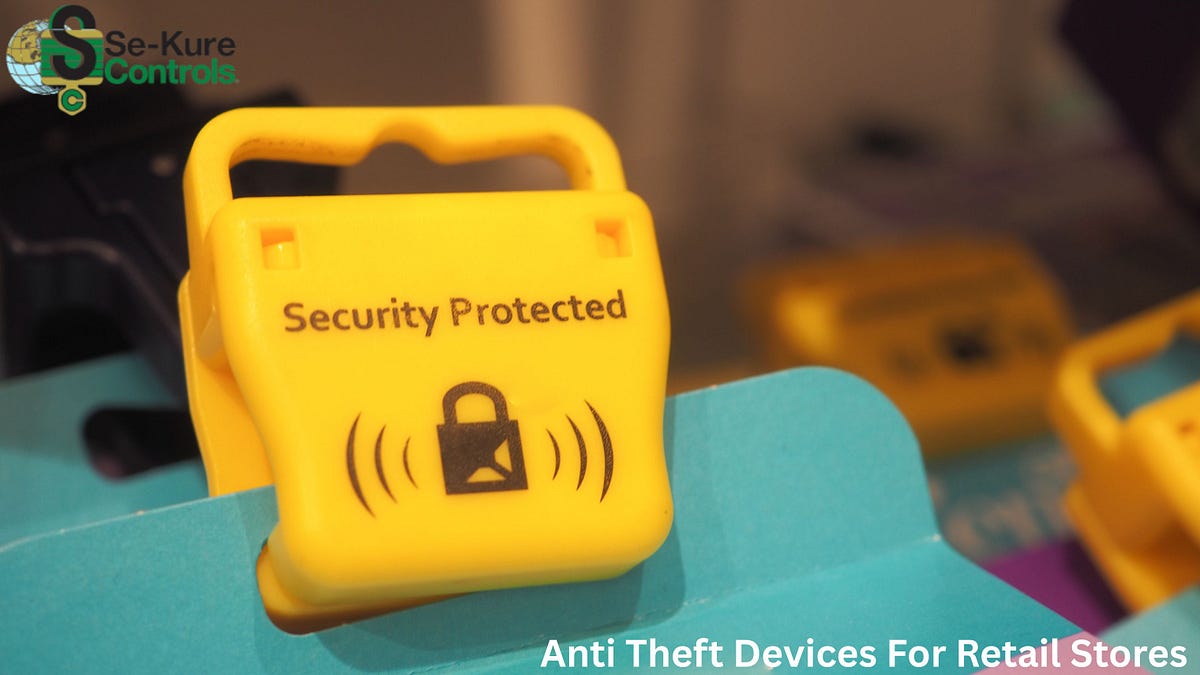
Why Anti Theft Devices Matter in Retail
Retail stores face constant risks of theft, which can lead to significant financial losses. Investing in the right Anti Theft Devices For Retail Stores helps:
Reduce shoplifting and internal theft
Protect valuable inventory
Improve store security
Build customer confidence
Support smooth business operations
Modern anti-theft systems are designed to be both effective and discreet, ensuring security without disrupting the shopping experience.
1. Electronic Article Surveillance (EAS) Systems
One of the most widely used Anti Theft Devices For Retail Stores is the Electronic Article Surveillance (EAS) system.
How it works:
EAS systems include security gates installed at store entrances and exits, along with tags or labels attached to products. If an item with an active tag passes through the gate without being deactivated, an alarm is triggered.
Key benefits:
Highly effective in preventing shoplifting
Easy to integrate into retail environments
Suitable for clothing, electronics, and general merchandise
EAS systems are commonly used in apparel stores, supermarkets, and large retail outlets.
2. Security Tags and Labels
Security tags and labels are essential components of EAS systems. They come in different forms depending on the type of merchandise.
Types include:
Hard tags — Reusable tags attached to clothing
Soft labels — Disposable labels for packaged goods
Ink tags — Release ink if tampered with, damaging the product
Why they matter:
Act as a visible deterrent to shoplifters
Protect a wide range of products
Cost-effective and easy to use
These tags are a must-have for any store implementing Anti Theft Devices For Retail Stores.
3. CCTV Surveillance Systems
CCTV cameras are another important layer of retail security. While they don’t physically stop theft, they play a major role in monitoring store activity.
Benefits:
Provide real-time surveillance
Help identify suspicious behavior
Offer recorded evidence in case of theft
Improve overall store management
Modern CCTV systems can be integrated with analytics to detect unusual movements and enhance security effectiveness.
4. RFID Technology
Radio Frequency Identification (RFID) is an advanced solution among Anti Theft Devices For Retail Stores. It uses radio waves to track and identify items in real time.
How it helps:
Tracks inventory accurately
Reduces human error
Speeds up stock management
Enhances theft detection
RFID is especially useful for large retailers that require detailed inventory control along with theft prevention.
5. Alarm Sensors and Smart Shelving
Alarm sensors and smart shelving systems are designed to protect high-value items such as electronics, cosmetics, and accessories.
Features:
Trigger alarms if items are removed improperly
Provide instant alerts to store staff
Allow customers to interact with products safely
These systems are commonly used in stores where products need to be displayed openly but securely.
Choosing the Right Anti Theft Devices
Selecting the right Anti Theft Devices For Retail Stores depends on several factors:
Type of products you sell
Store size and layout
Budget and security needs
Level of theft risk
A combination of multiple systems often provides the best results. For example, using EAS tags along with CCTV cameras and alarm sensors creates a comprehensive security setup.
Tips for Effective Retail Security
To maximize the effectiveness of your anti-theft devices:
Train staff to use security systems properly
Place cameras and sensors strategically
Regularly maintain and test equipment
Use visible deterrents to discourage theft
Monitor store activity consistently
Final Thoughts
Understanding the different types of Anti Theft Devices For Retail Stores is essential for building a strong loss prevention strategy. From EAS systems and security tags to CCTV cameras and RFID technology, each solution plays a unique role in protecting your business.
By investing in the right combination of devices and maintaining a proactive approach to security, retailers can significantly reduce theft, improve inventory control, and create a safer shopping environment.
In today’s competitive retail landscape, effective security is not just an option — it’s a necessity for long-term success.


Comments
Post a Comment