Retail Security Solutions | Effective Retail Theft Prevention Strategies
Retail theft can affect businesses of every size. From shoplifting and organized retail crime to inventory shrinkage, merchandise losses can reduce profits and create additional challenges for store employees. Implementing reliable Retail Security Solutions and practical Retail Theft Prevention Strategies can help businesses protect merchandise while maintaining a welcoming shopping environment.
A successful security program doesn’t rely on one product or technology. Instead, retailers can combine merchandise protection, store visibility, employee awareness, and effective procedures to create multiple layers of protection.
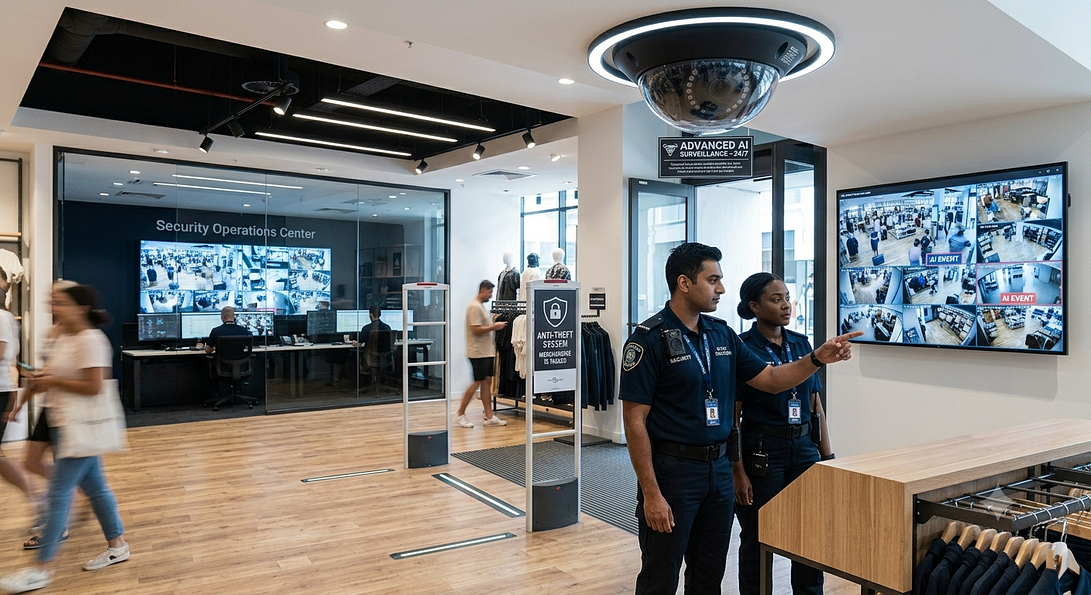
Why Retail Theft Prevention Matters
Retail theft can have a significant impact on a store’s bottom line. Lost merchandise means lost revenue, while repeated incidents can increase operating costs and require employees to spend more time dealing with security issues.
Effective Retail Theft Prevention Strategies help retailers identify potential vulnerabilities and take proactive steps to reduce opportunities for theft. A well-designed approach can also improve employee awareness and provide customers with a safer, more organized shopping experience.
Choosing the Right Retail Security Solutions
Every retail business has different security requirements. A clothing store may need different merchandise protection than an electronics retailer or supermarket. Factors such as store size, layout, product value, customer traffic, and previous theft patterns should be considered when selecting security products.
Common Retail Security Solutions include:
EAS security systems
Hard security tags
Security labels
Alarm devices
Security sensors
Cable locks
Display security devices
Detachers and deactivators
Security mirrors and domes
Other merchandise protection products
Using the right combination of products can create a layered approach to protecting inventory.
1. Protect High-Risk Merchandise
One of the most practical Retail Theft Prevention Strategies is identifying products that are more vulnerable to theft. Small, expensive, easily concealed products often require additional protection.
Retailers can use security tags, labels, cable locks, and other merchandise protection devices based on the product and display environment. Placing protected merchandise in visible areas can also make it easier for employees to monitor customer activity.
2. Improve Store Visibility
Poor visibility can create opportunities for shoplifting. Crowded displays, blind corners, and hidden aisles can make it difficult for employees to observe activity.
Security mirrors and domes can help expand visibility in areas that are difficult to monitor directly. Retailers should also review their store layout regularly and position high-risk merchandise where employees have a clear line of sight.
Good lighting and organized displays can further improve visibility throughout the store.
3. Use EAS Technology
Electronic Article Surveillance, commonly known as EAS, is another important component of modern Retail Security Solutions.
EAS systems typically use security tags or labels attached to merchandise. If protected merchandise passes through a monitored exit without the security feature being properly removed or deactivated, the system can trigger an alert.
EAS technology can be particularly useful for clothing stores, department stores, electronics retailers, and other businesses handling a large volume of merchandise.
4. Train Employees
Technology works best when combined with an informed and attentive team. Employees should understand store security procedures, recognize unusual behavior, and know how to respond appropriately to suspected theft.
Training should focus on observation, customer service, reporting procedures, and personal safety. Employees should never put themselves at unnecessary risk when dealing with suspected shoplifting.
Creating clear procedures can help staff respond consistently instead of making decisions under pressure.
5. Review Inventory Regularly
Inventory management is another important part of Retail Theft Prevention Strategies. Regular stock checks can help retailers identify unusual discrepancies and determine whether losses are concentrated around specific products or store areas.
By comparing inventory records with actual stock levels, businesses may discover patterns that can guide future security improvements.
6. Create a Layered Security Strategy
The most effective approach is usually a combination of different security measures rather than relying on a single solution.
For example, a retailer might combine:
EAS system + security tags + security mirrors + employee awareness + inventory monitoring
This layered approach creates multiple points of protection. If one security measure is bypassed, another may still help detect or discourage unauthorized merchandise removal.
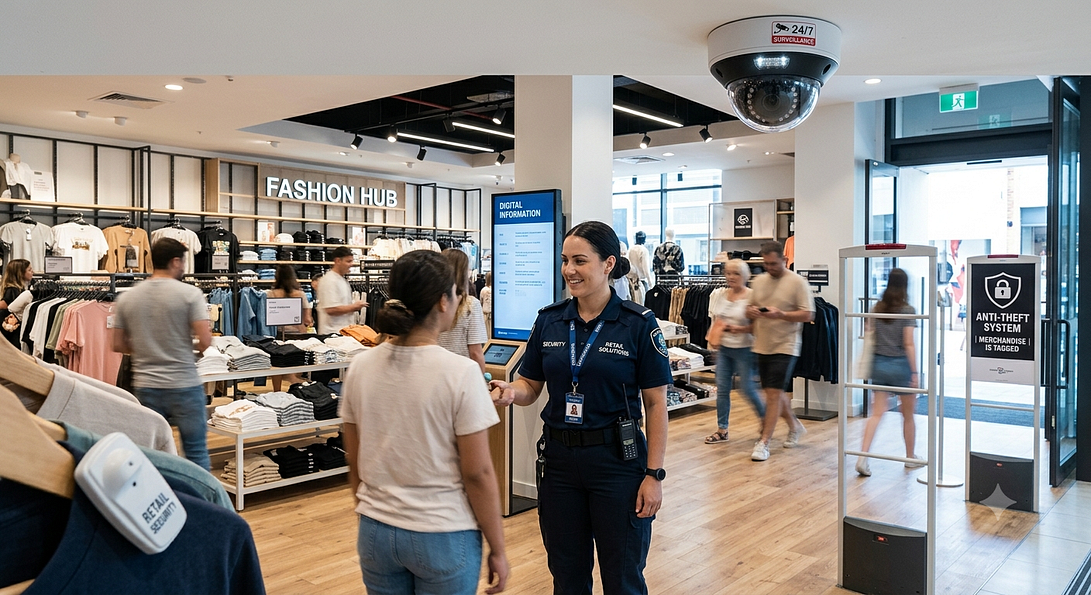
Building a Better Retail Security Plan
Before purchasing security products, retailers should assess their current environment. Identify areas with frequent inventory discrepancies, examine store traffic patterns, evaluate merchandise displays, and determine which products require additional protection.
Security equipment should also be reviewed periodically. Changes to store layouts, product displays, or customer traffic may create new vulnerabilities.
A well-planned security program should balance protection with convenience. Customers should be able to browse and shop comfortably while security measures remain effective and practical for employees.
Frequently Asked Questions
1. What are Retail Security Solutions?
Retail Security Solutions include technologies, products, and practices designed to protect merchandise and reduce theft. These can include EAS systems, security tags, labels, alarms, sensors, mirrors, domes, cable locks, and other merchandise protection products.
2. What are effective Retail Theft Prevention Strategies?
Effective strategies can include protecting high-risk merchandise, improving store visibility, using EAS technology, training employees, monitoring inventory, and combining multiple security measures into a layered protection strategy.
3. Can small retail stores benefit from security solutions?
Yes. Small retailers can also benefit from appropriately selected security products. The best solution depends on the store’s size, merchandise, layout, budget, and specific security concerns.
Protect Your Retail Business
Retail theft prevention requires a proactive approach. By combining reliable Retail Security Solutions with practical Retail Theft Prevention Strategies, businesses can protect valuable merchandise, reduce shrinkage, and create a safer shopping environment.
Looking for dependable retail security products? Contact Se-Kure today to explore solutions designed to support your store’s merchandise protection and loss prevention goals.


Comments
Post a Comment